
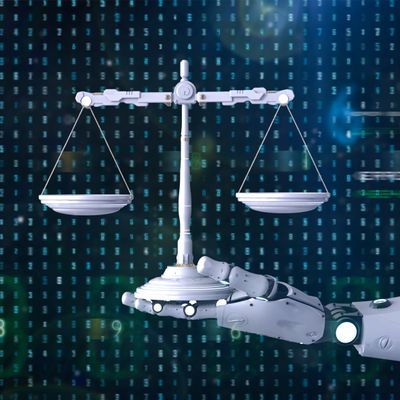
After more than twenty years in the courtroom, I have learned that efficiency affects how cases are prepared and managed, but it does not determine the outcome. That is especially true now, as the tools available to lawyers continue to evolve.
Lawyers today utilize technology that would have been unimaginable when I first started practicing. AI can move through enormous volumes of discovery in minutes, analyze past results, and suggest how certain arguments might play in a particular venue. Used thoughtfully, these tools can help reduce inefficiencies without replacing the attorney’s role in decision-making. While AI has enhanced efficiency in law, the moments that actually decide a case still remain live in the courtroom. They happen when a witness pauses before answering a hard question, in the way a witness responds when pressed, or in the instant a jury begins to recognize a story as something that makes sense to them. Those moments can’t be automated. They still depend on human judgment, presence, and the ability to respond to what is unfolding in the room. Knowing when to advance an issue, when to step back, and when it makes sense to rethink the strategy altogether are critical parts of effective legal judgment.
Data Is Not Judgment
AI is very good at spotting patterns and flagging risks. It can tell you what has happened before and what the numbers suggest might happen again. But it cannot determine how to proceed when a case no longer follows those patterns.
Trials are unpredictable. They are shaped by people—judges, jurors, and witnesses—each bringing individual perspectives into the courtroom. The right decision isn’t always the cleanest or most efficient one on paper. Often, it’s the decision that fits the moment, the audience, and the dynamics you are actually facing rather than one generated by algorithms.
Situational Awareness Remains Critical
No software can tell when a witness is starting to lose credibility, when jurors are drifting, or when an argument that looked solid in preparation just isn’t landing.
Trial lawyers are always watching and listening—tone, posture, pacing, reactions. We make adjustments in the moment, let go of arguments that aren’t helping, and press when credibility begins to wear thin. That kind of judgment isn’t learned from data. It comes from experience and the responsibility of standing up in court and making the call.
Effective litigators don’t shy away from technology. They use it to cut through inefficiencies and focus their attention on what matters—judgment, credibility, storytelling, and making decisions when the pressure is real.
By the time a case reaches a judge or a jury, most of the analytical work is already done. What remains is advocacy: presenting the law and the facts in a way that is credible, fair, and responsive to the people in the room.
AI will continue to shape how legal work is done. That evolution is inevitable. What it does not change is the role trial lawyers play when the outcome of a case is on the line.
The real question isn’t whether to use these tools, but how to use them wisely.
Using AI Wisely
- Let AI handle volume, not judgment. Use it for discovery review, research, and pattern recognition—not for deciding strategy or making calls that require experience.
- Treat AI as a second set of eyes. Its outputs are prompts to think, not conclusions to follow. Always apply your own context and judgment.
- Use AI to strengthen your story, not replace it. Stress-test themes and anticipate counterarguments, and then refine the narrative to resonate with real people.
- Verify everything. Double-check research, citations, and summaries. Credibility lost to AI error is hard to recover.
- Save your energy for what matters most. Let technology reduce inefficiencies so you can concentrate on witnesses, advocacy, and decisions made under pressure.
When used wisely, AI assists the process, but trial work is ultimately shaped by lawyers making the calls when it matters most.
No software can tell when a witness is starting to lose credibility, when jurors are drifting, or when an argument that looked solid in preparation just isn’t landing.