
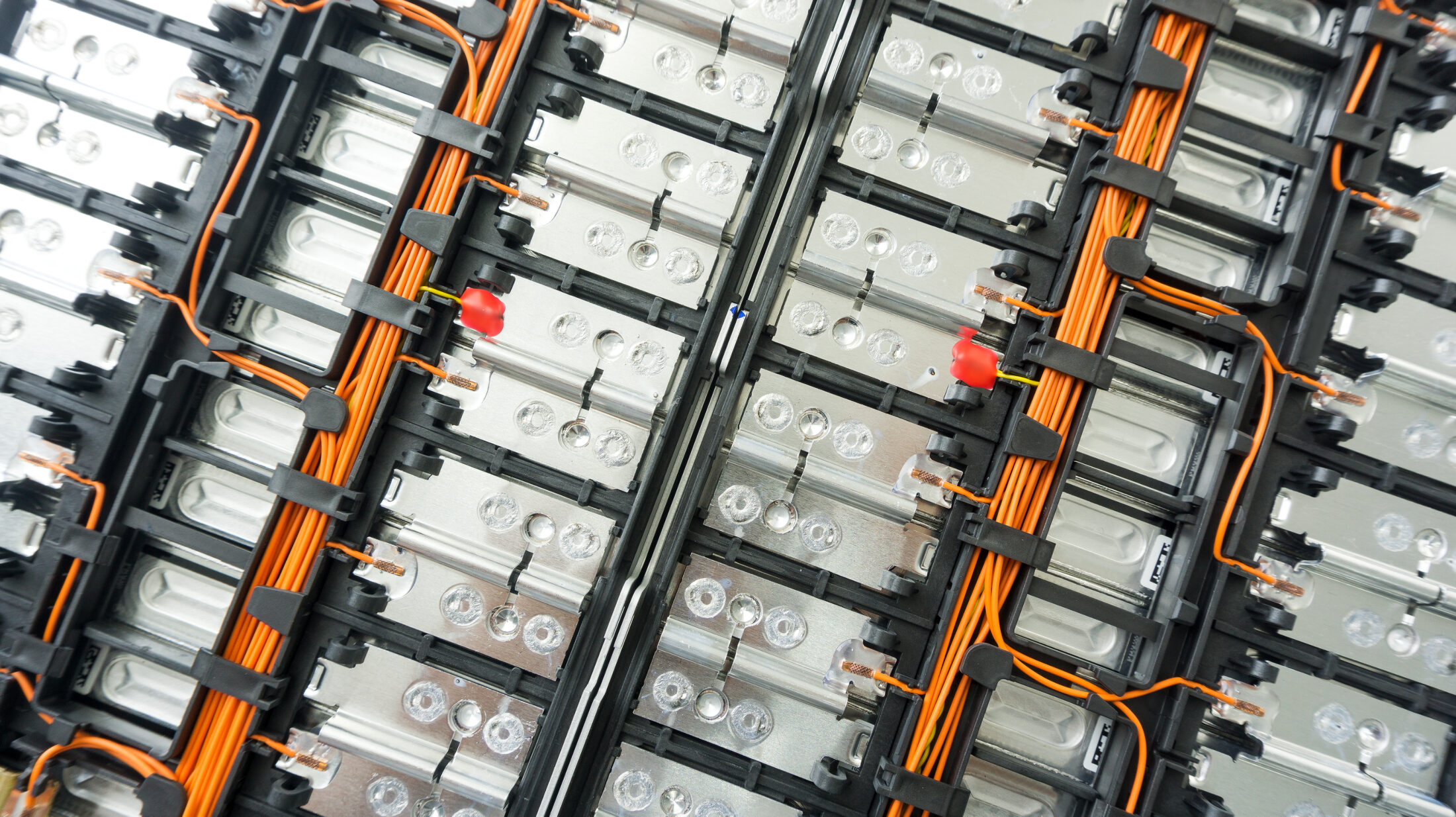
As a key component of most batteries, lithium is ubiquitous in our daily lives. From the moment your alarm on your cell phone goes off in the morning, to using your battery-powered toothbrush, to reading this blog post on your laptop or tablet, lithium makes it all work. Thus, it shouldn’t surprise you to hear that the global market for lithium is currently valued at $7.5 billion and is expected to double by 2030 as demand for electric vehicles and grid storage batteries increases.
While the United States is a significant consumer in that market, it is a relatively minor lithium producer. A vast majority of the world’s estimated lithium reserves are in Chile (52%), followed by Australia (21%), Argentina (12%) and China (8%). The U.S. is next on that list with around 4% of global lithium reserves and, consequently, it imports most of its lithium. Recognizing the disadvantages of relying on these foreign countries for “critical minerals” such as lithium, the Biden Administration has declared that securing a supply of such minerals through domestic production and processing is “essential to our national security and the development and preservation of domestic critical infrastructure.”
Accordingly, the recently passed Inflation Reduction Act (“IRA”) seeks to amplify domestic lithium production through two tax credits. First, the Advanced Manufacturing Production Credit grants a tax credit equal to 10% of the costs incurred to produce any critical minerals,[1] including lithium.[2] Second, the Clean Vehicle Credit establishes a credit for electric vehicles, but only when a certain percentage of the value of the critical minerals in those vehicles’ batteries comes from the United States (or countries the United States has trade agreements with).[3] This percentage will rise steadily over the next few years, starting at 40% for electric vehicles sold prior to 2024 and growing to 80% for vehicles sold after 2026. Thus, the IRA stands to greatly incentivize domestic producers of lithium by giving them a direct production credit while also further stoking demand for American lithium.
American oil and gas producers may soon be poised to capitalize on this demand, as produced water from some areas contains appreciable levels of dissolved lithium. New technologies aimed at overcoming current issues with extracting lithium from brine are in development.[4] As it becomes faster and more efficient to extract lithium from lower-concentration oilfield brines, oil and gas operators will find themselves increasingly capable of entering the booming lithium marketplace in the next few years.
Consequently, legal issues regarding the production of lithium from oilfield brines are likely to arise. One such issue is the applicability of an oil, gas and mineral lease to the production and selling of lithium. Does the mineral owner own the rights to the lithium or is that owned by the surface owner? How are the costs of lithium production to be shared with the lessor, and does the lessor have any claims to any tax credits? For operators hoping to cash in on future developments in lithium extraction, the time to answer these questions is now.
Disclaimer: This Blog/Web Site is made available by the law firm of Liskow & Lewis, APLC (“Liskow & Lewis”) and the individual Liskow & Lewis lawyers posting to this site for educational purposes and to give you general information and a general understanding of the law only, not to provide specific legal advice as to an identified problem or issue. By using this blog site you understand and acknowledge that there is no attorney client relationship formed between you and Liskow & Lewis and/or the individual Liskow & Lewis lawyers posting to this site by virtue of your using this site. The Blog/Web Site should not be used as a substitute for legal advice from a licensed professional attorney in your state regarding a particular matter.
Privacy Policy: By subscribing to Liskow & Lewis’ E-Communications, you will receive articles and blogs with insight and analysis of legal issues that may impact your industry. Communications include firm news, insights, and events. To receive information from Liskow & Lewis, your information will be kept in a secured contact database. If at any time you would like to unsubscribe, please use the link located at the bottom of every email that you receive.
[1] 26 U.S.C. § 45X(b)(1)(M).
[2] 26 U.S.C. § 45X(c)(6)(P).
[3] 26 U.S.C. § 30D(e)(1).
[4] For a more detailed overview of some of these technologies, see Lithium Recovery from Oil and Gas Produced Water: A Need for a Growing Energy Industry: https://pubs.acs.org/doi/10.1021/acsenergylett.9b00779.